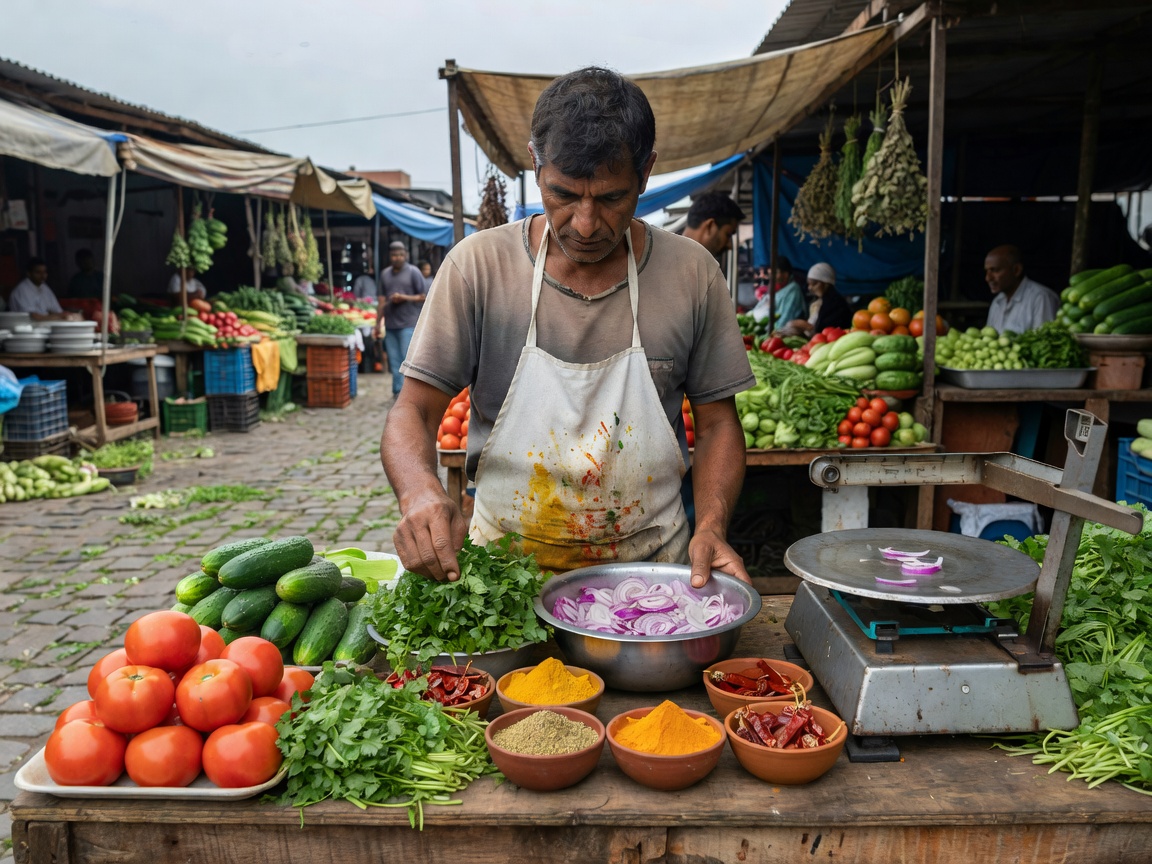
Specialist vendors make a multi-counter hall useful. One operator may bake, another may prepare seafood, and a third may turn seasonal vegetables into a full meal. The category is a starting point, not a guarantee of menu, sourcing or service style.
Read three things at each counter
First, identify what the vendor specializes in. Second, check what is ready to eat and what is sold to take home. Third, look for a regional connection stated by the vendor: a named ingredient, a cooking method, a product tradition or a supplier relationship. A Nordic setting alone does not prove that the food is local or traditional.
The same category can support different eating occasions. A bakery might sell bread by the loaf, sandwiches for lunch and a pastry with coffee. A seafood counter might offer chilled fish, a hot plate or products to take away. Check the menu rather than assuming every specialist works the same way.
Vendor category → typical offer → regional connection
| Category | Typical offer | Possible regional connection |
|---|---|---|
| Bakery | Rye loaves, sourdough, buns and pastries | Grain choices, local flour, baking traditions or seasonal toppings. |
| Seafood | Fresh, cured, smoked or prepared fish | Coastal supply, preservation methods or fish species described by the vendor. |
| Cheese and dairy | Cheese, cultured dairy, butter or milk-based dishes | Local dairy practices, regional cheese styles or seasonal production. |
| Meat and deli | Cooked meats, sausages, charcuterie and ready-to-eat plates | Preserving, seasoning and regional serving customs. |
| Pastry and coffee | Sweet bakes, coffee and small café items | Local bakery craft, a familiar bun style or seasonal fruit. |
| Produce | Vegetables, fruit, herbs and pantry goods | Growing season, regional crops and nearby producers, when stated. |
| Prepared Nordic food | Soups, open sandwiches, hot plates and ready meals | Ingredients or dishes connected to shared Scandinavian food traditions. |
| Vegetarian kitchen | Plant-led bowls, soups, salads or baked dishes | Root vegetables, pulses, grains and seasonal produce used in contemporary combinations. |
Bakery, grain and pastry
Bread is a practical way to understand a menu. Rye bread is made with rye flour, often with a dense texture and pronounced grain flavor. It can be served as a base for toppings or sold as a loaf. A bakery counter may also make wheat breads, buns and pastries. Ask about ingredients if you need to avoid gluten; rye and wheat both contain gluten.
Pastry counters can make a hall suitable for a short coffee stop as well as a meal. A cinnamon bun is a sweet, spiced roll found in several Northern European baking traditions. Recipes and names differ across borders, so avoid treating one version as the only authentic form.
Seafood, dairy and deli
Seafood vendors can show how fresh cooking and preservation sit side by side. Cured fish is salted or otherwise treated to preserve and season it. Smoked fish is exposed to smoke, with methods and flavors varying. These terms describe preparation; they do not tell you the catch location, freshness date or sustainability status. Ask for those details directly.
Dairy and deli counters offer different forms of regional knowledge. Cheese may be served with bread, sold by weight or used in prepared dishes. Meat and deli stalls may feature cooked or preserved products. Ingredient names, producer details and allergen information should come from the seller rather than inference.
Why vendor specialization changes the visit
A hall with distinct specialists gives visitors options across a meal: a main dish, a shared side, a drink and something sweet. It can also help a mixed group order separately while sitting together. Variety is not simply the number of counters. If several vendors sell similar food, the choice may feel narrower than a smaller hall with a broader mix.
Specialization helps vendors explain craft and ingredients, but the hall remains an operating food business. Menus can change with season, supply and staffing. The available range on a particular day may not represent the full category.
Useful questions at the counter
- Which ingredients are in this dish?
- Can you identify common allergens or cross-contact risks?
- Is this item intended for takeaway or best eaten here?
- Where is a named ingredient from, if sourcing information is important?
- Are vegetarian or alcohol-free options prepared separately?
Good for
- Building a meal from several small specialist orders.
- Comparing ingredient-led and prepared-food counters.
- Finding alternatives for a group with different preferences.
- Noticing how seasonal produce appears in everyday menus.
What to know
- Vendor category does not guarantee a particular menu or supply chain.
- Allergen controls differ. Ask the operator directly.
- Seasonal availability can change quickly.
- Do not infer local origin from Nordic styling or terminology.
For recognizable dishes that may appear across these counters, continue to Nordic dishes and specialties. For hall layout and seating, see the format guide.
NEXT / DISHES
Connect the counter to the plate.
Use the dish guide to decode common ingredients and names.