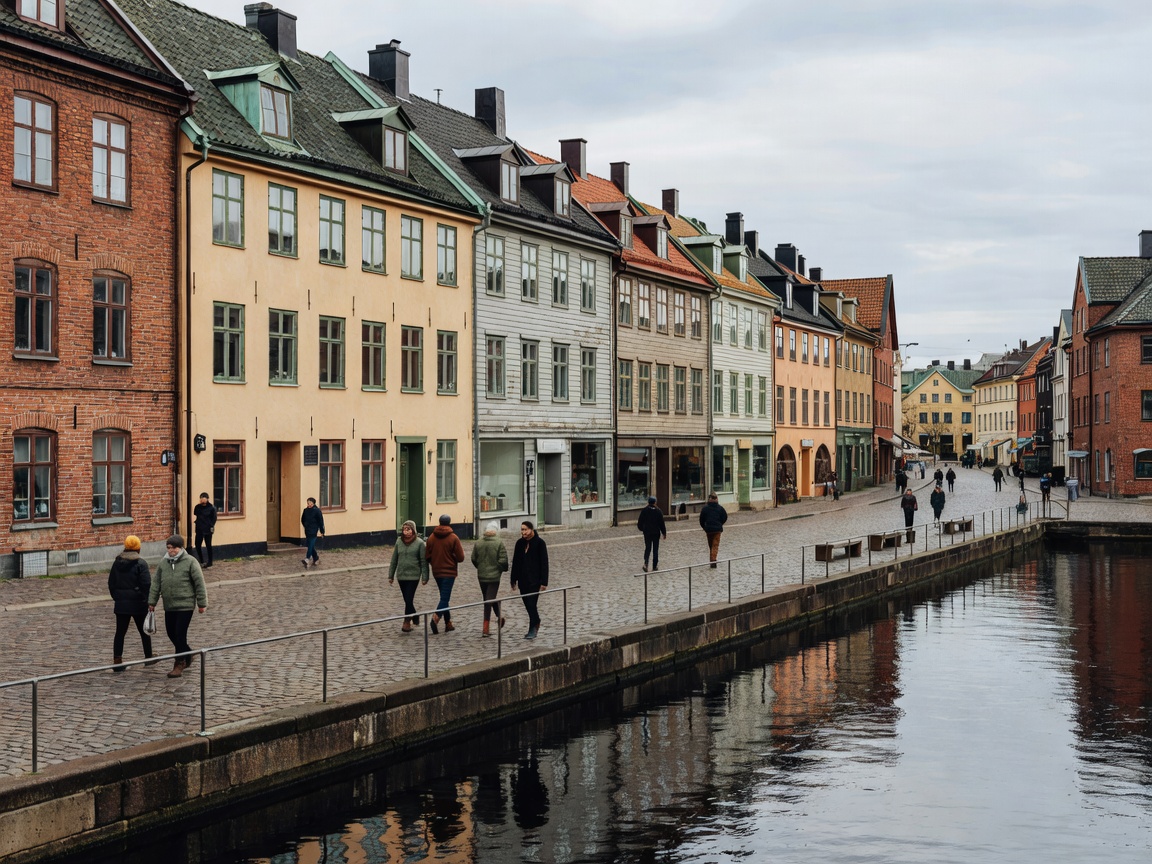
A city food hall is part of a wider urban network. Its location may sit beside a transport route, a waterfront, an older market street or a residential neighborhood. These settings influence who uses the place, what meal it serves and how a visit fits into a day. Treat the city as context, not as a promise of a particular venue or schedule.
Food districts follow daily movement
City-center food areas often serve office workers, visitors and people changing between transit and errands. Their practical strengths are central location and a broad mix of quick meals. The trade-off can be concentrated demand around lunch or after work. A short walk from the busiest streets may lead to smaller neighborhood markets with a more everyday shopping role.
Waterfront food districts can connect dining with public space and maritime identity. Seafood may be an obvious menu category, but the setting alone does not establish the catch’s origin or the vendor’s sourcing. Ask directly if provenance matters. Weather, seasonal use and access routes can also affect how comfortable a waterfront visit feels.
Converted industrial buildings offer another recognizable urban setting. High ceilings and open floor plans can accommodate several counters and communal tables. The architecture may help a food hall feel distinct, but a dramatic building does not necessarily mean a larger vendor range or more convenient seating. Check the practical details separately.
Four useful city settings
- Market hall: A covered trading space that may bring together groceries, specialist stalls and prepared meals. The balance between shopping and dining varies.
- Neighborhood market: A smaller local destination, sometimes focused on groceries and routine purchases. Food-to-go may be present but is not guaranteed.
- Waterfront district: A location shaped by the harbor, river or coast. It may offer an appealing route between food and public space, while transport and weather deserve attention.
- Seasonal food event: A temporary or recurring market format. Vendor participation, dates and services can change, so confirm details through the event’s own published information.
Seasonality affects food culture as much as programming. Shorter daylight, outdoor dining weather and harvest availability influence what feels convenient at different times of year. A seasonal event should not be treated as a permanent market. Verify current dates and access before building a trip around it.
Comparing Scandinavian urban environments
Copenhagen, Oslo and Stockholm are real capital cities with distinct coastal and urban geographies. Copenhagen’s relationship with the harbor and its cycling-oriented urban routes is part of the city’s broader character. Oslo sits between a fjord and forested hills, while Stockholm’s central districts extend across islands and waterways. These are general geographic points, not a claim that a specific food hall sits at a particular address.
Across the region, market traditions and contemporary dining formats coexist. A city may have historic covered markets, newer multi-vendor dining spaces, neighborhood grocery traders and pop-up events. Local habits also matter: the dominant meal time, the role of takeaway and the season can change how a district operates. Avoid assuming a single “Nordic” experience.
Look at the wider route. Can you reach the area on foot or by public transport? Is it near a museum, waterfront walk or other stop you already plan to visit? Does the setting provide seating indoors? Those questions are more reliable than choosing a district based on a generalized image of the region.
Plan by area, then verify specifics
Start with the city area that fits your schedule. Map likely food stops against transit and walking time. Then verify the actual venue’s current address, opening information, menu, accessibility notes and payment details through its own channels. This index does not publish live operating data or recommend unverified venues.
For a city-center lunch, keep the route compact and allow time for queues. For a neighborhood visit, check whether food counters operate independently of grocery stalls. For waterfront dining, consider an indoor alternative. If a seasonal event is your target, verify the date close to travel and have a backup meal option.
Good for
- Travelers comparing urban food settings before choosing an area.
- Visitors building a market stop into a broader city route.
- Readers curious about how waterways, neighborhoods and old buildings shape dining.
- Flexible plans that can adapt to seasonal or schedule changes.
What to know
- City examples describe broad geography, not current venue availability.
- Opening times, vendor lists and event schedules change. Verify them directly.
- A waterfront address does not guarantee local seafood.
- Build in a nearby alternative if a food destination is closed or crowded.
For the venue format itself, read how food halls work. To compare individual counter types, see the regional vendor guide.
NEXT / ROUTE
Turn a city stop into a food plan.
Use time, access and appetite to set the route.